Charlie Kirk shot dead at Utah Valley University event, SFSU reacts
By Klyde Java (for the Golden Gate Xpress)
September 10, 2025 (Link in Photo)
September 10, 2025 (Link in Photo)

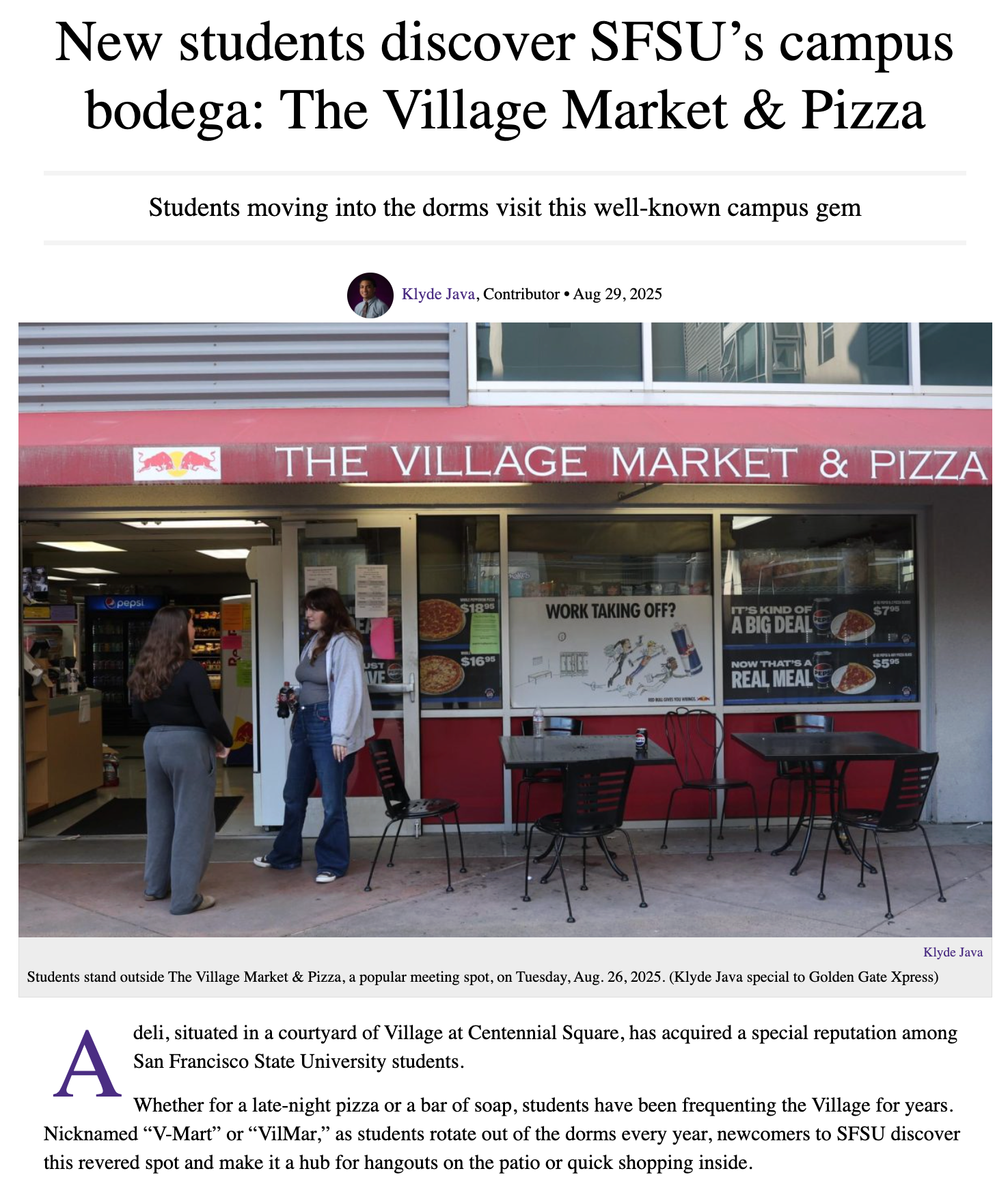
New students discover SFSU’s campus bodega: The Village Market & Pizza
By Klyde Java (for the Golden Gate Xpress)
August 29, 2025 (Link in Photo)
August 29, 2025 (Link in Photo)
Painting for 50 Years, Outer Richmond Artist Still Creative in His 90s
By Klyde Java (for the Richmond Review/Sunset Beacon)
June 2, 2025 (Link in Photo)
June 2, 2025 (Link in Photo)

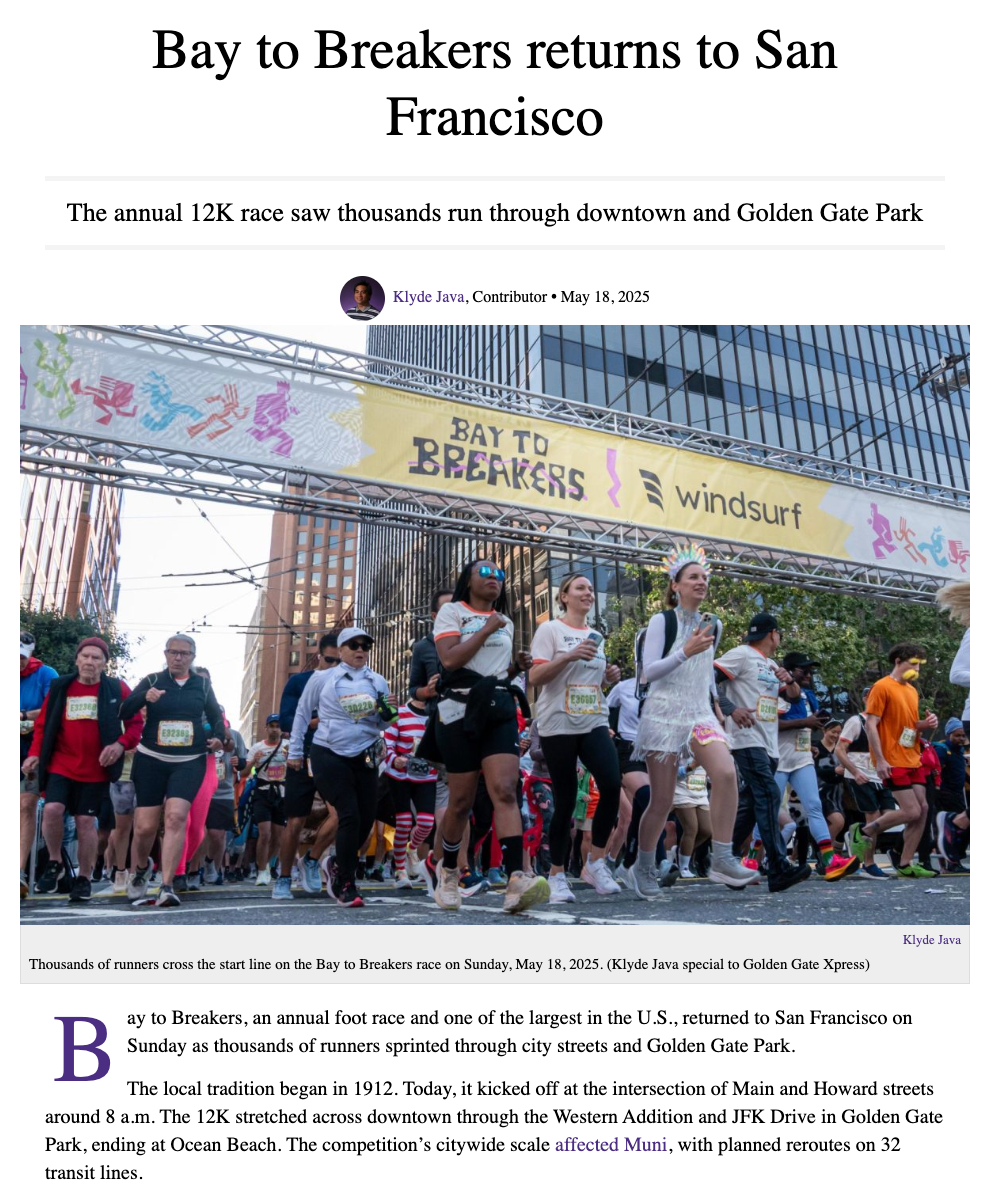
Bay to Breakers returns to San Francisco
By Klyde Java (for Golden Gate Xpress)
May 18, 2025 (Link in Photo)
May 18, 2025 (Link in Photo)
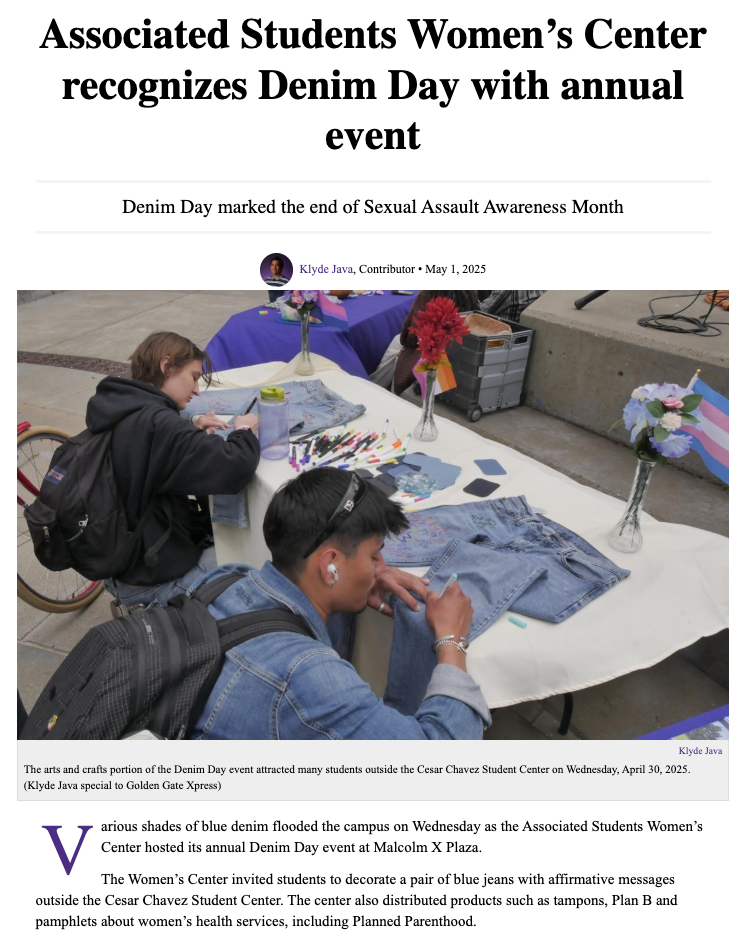
Associated Students Women’s Center recognizes Denim Day with annual event
By Klyde Java (for Golden Gate Xpress)
May 1, 2025 (Link in Photo)
May 1, 2025 (Link in Photo)
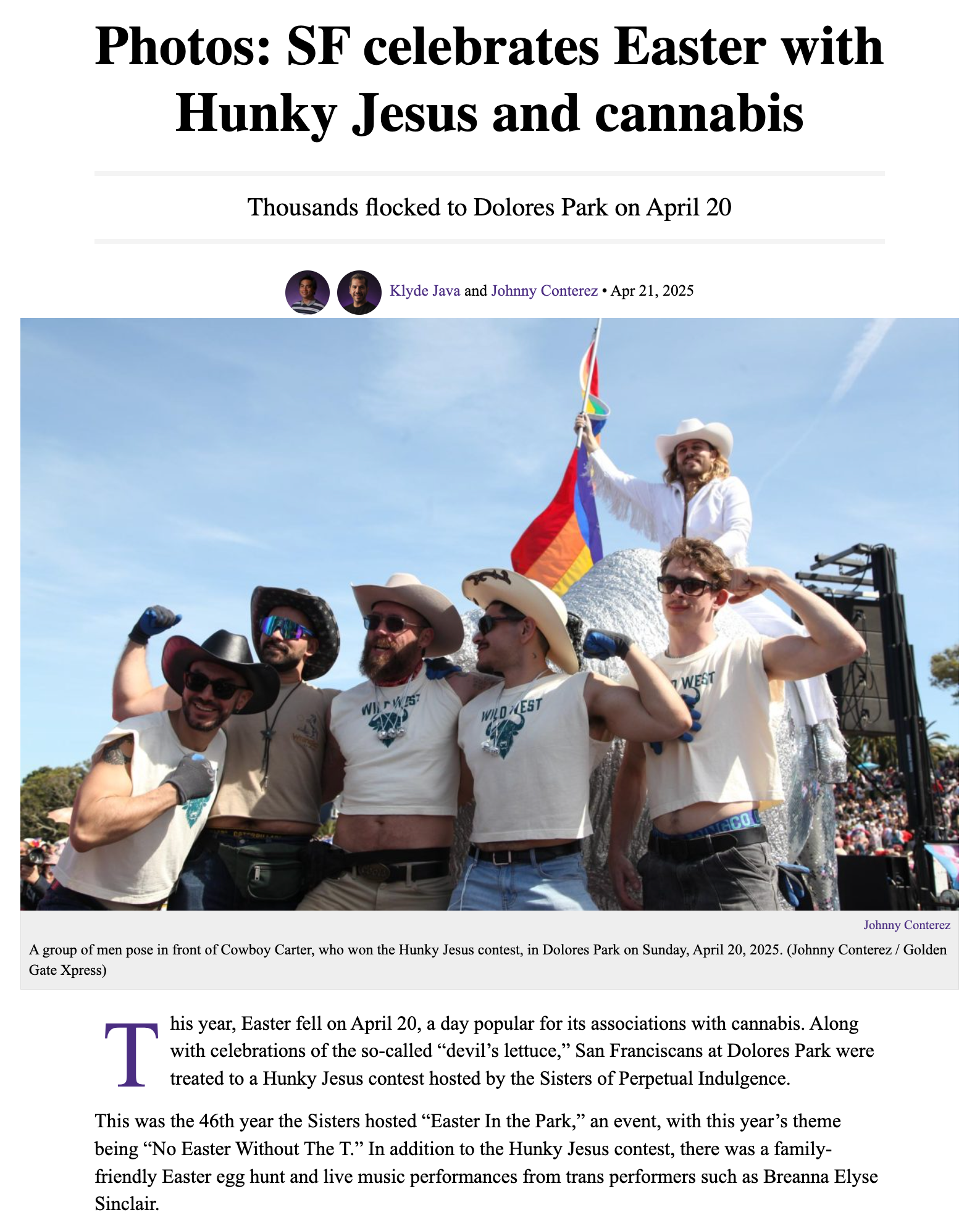
SF celebrates Easter with Hunky Jesus and cannabis
By Klyde Java (for Golden Gate Xpress)
April 21, 2025 (Link in Photo)
April 21, 2025 (Link in Photo)
Warriors battle Grizzlies in play-In tournament matchup
By Klyde Java (for Golden Gate Xpress)
April 16, 2025 (Link in Photo)
April 16, 2025 (Link in Photo)
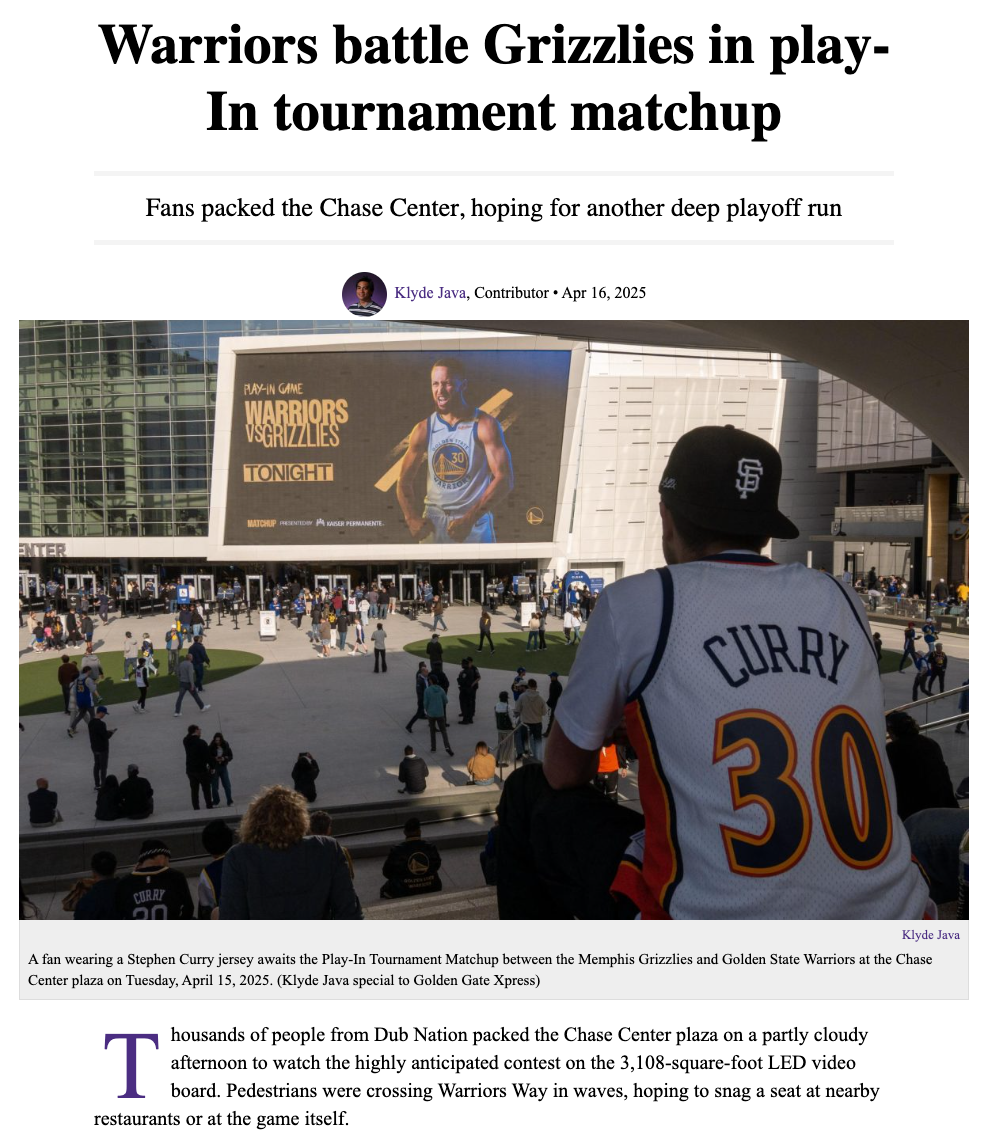
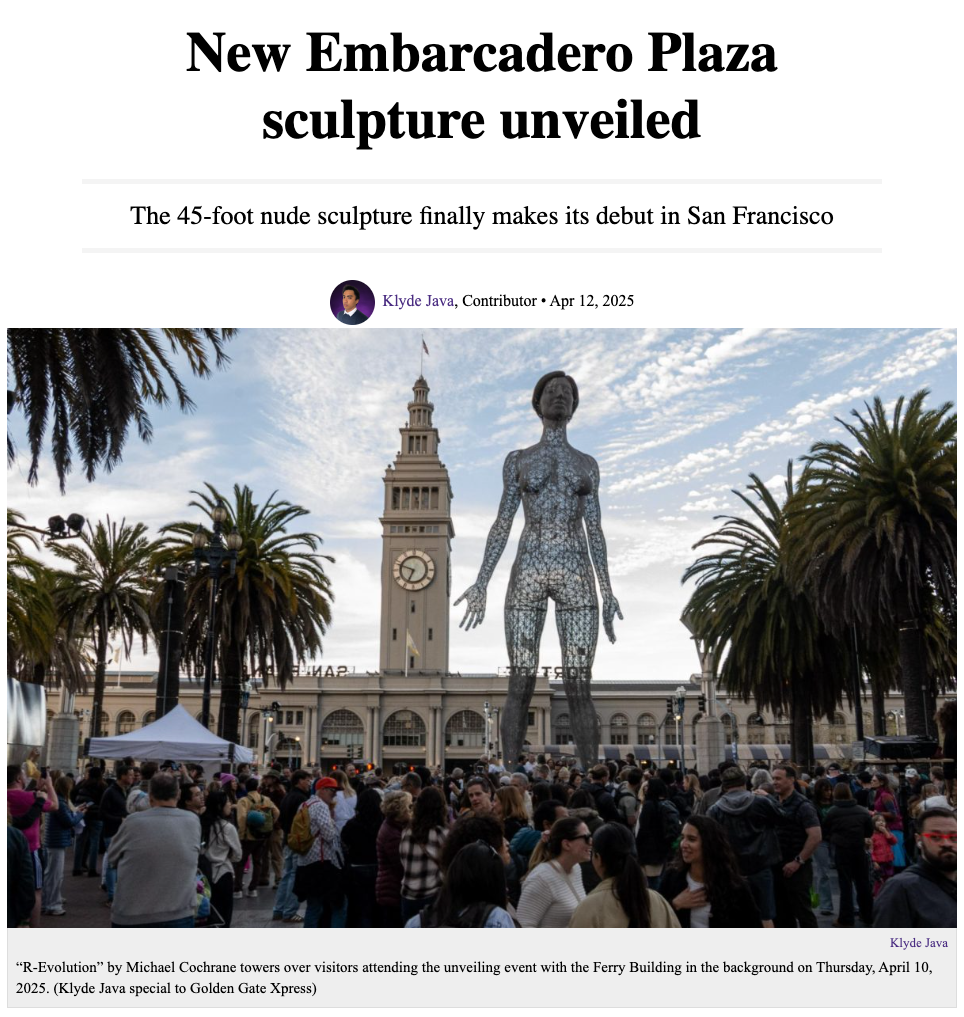
New Embarcadero Plaza sculpture unveiled
By Klyde Java (for Golden Gate Xpress)
April 12, 2025 (Link in Photo)
April 12, 2025 (Link in Photo)
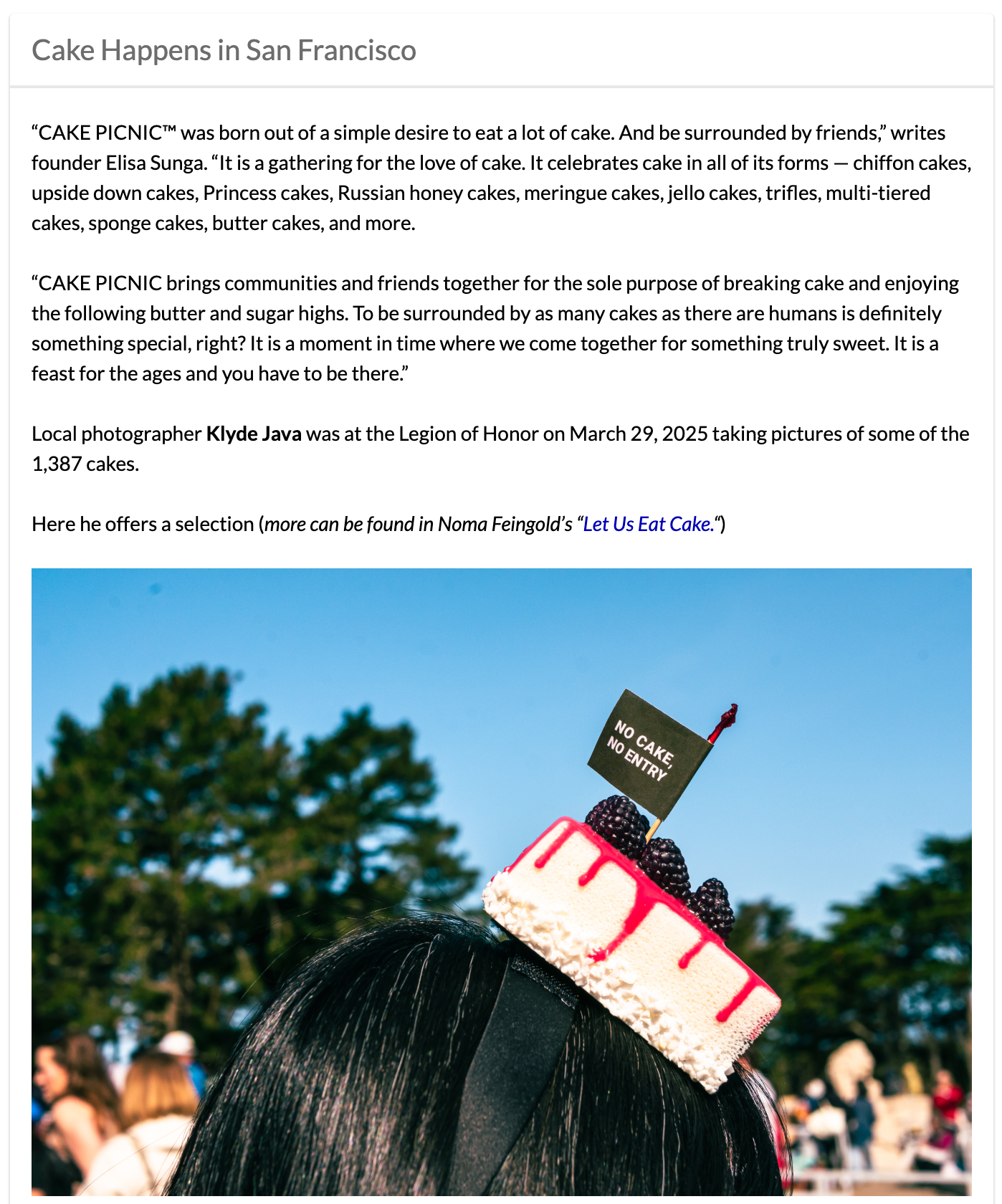
Cake Happens in San Francisco (Photo Essay)
By Klyde Java (for EatDrinkFilms.com)
April 6, 2025 (Link in Photo)
April 6, 2025 (Link in Photo)
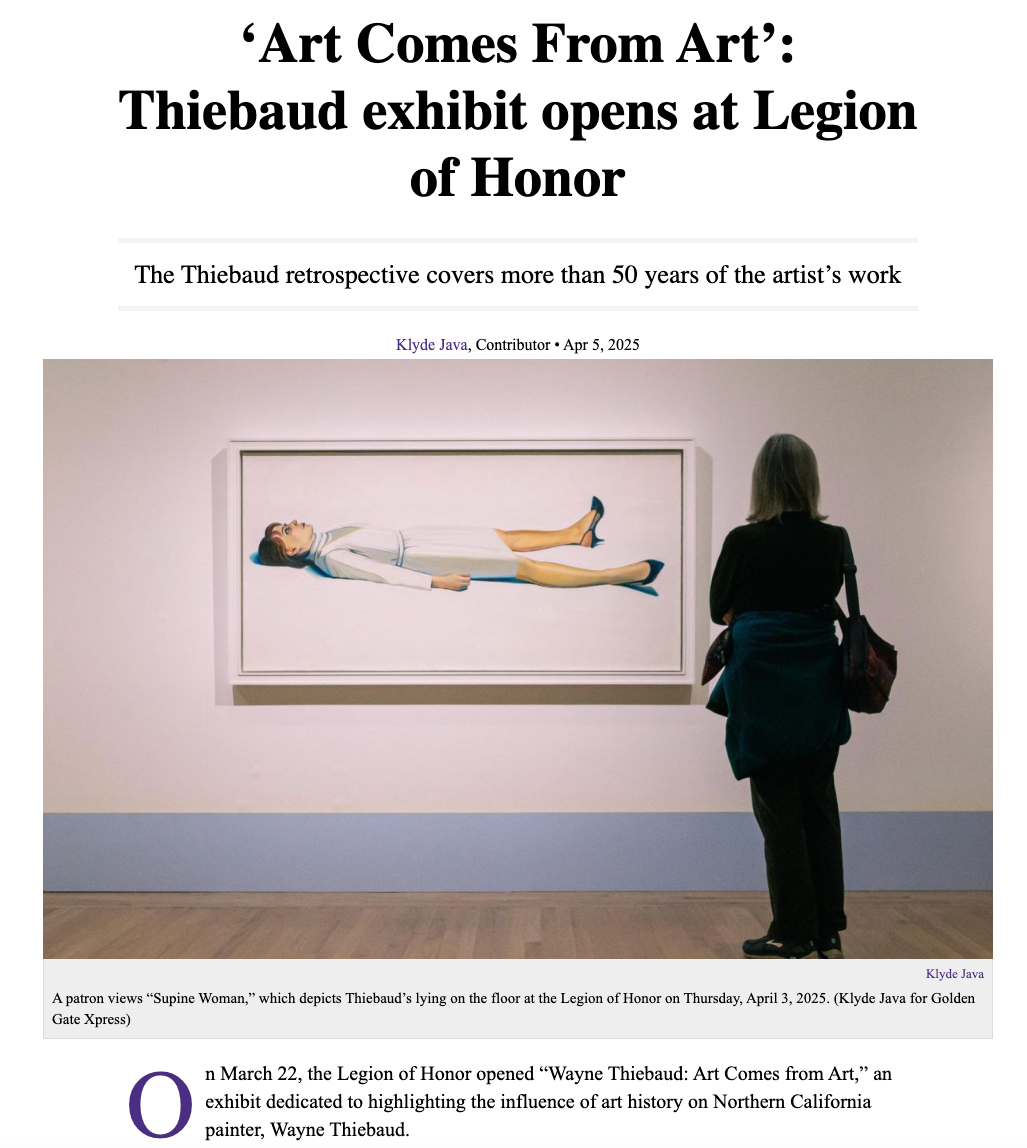
‘Art Comes From Art’: Thiebaud exhibit opens at Legion of Honor
By Klyde Java (for Golden Gate Xpress)
April 5, 2025 (Link in Photo)
April 5, 2025 (Link in Photo)
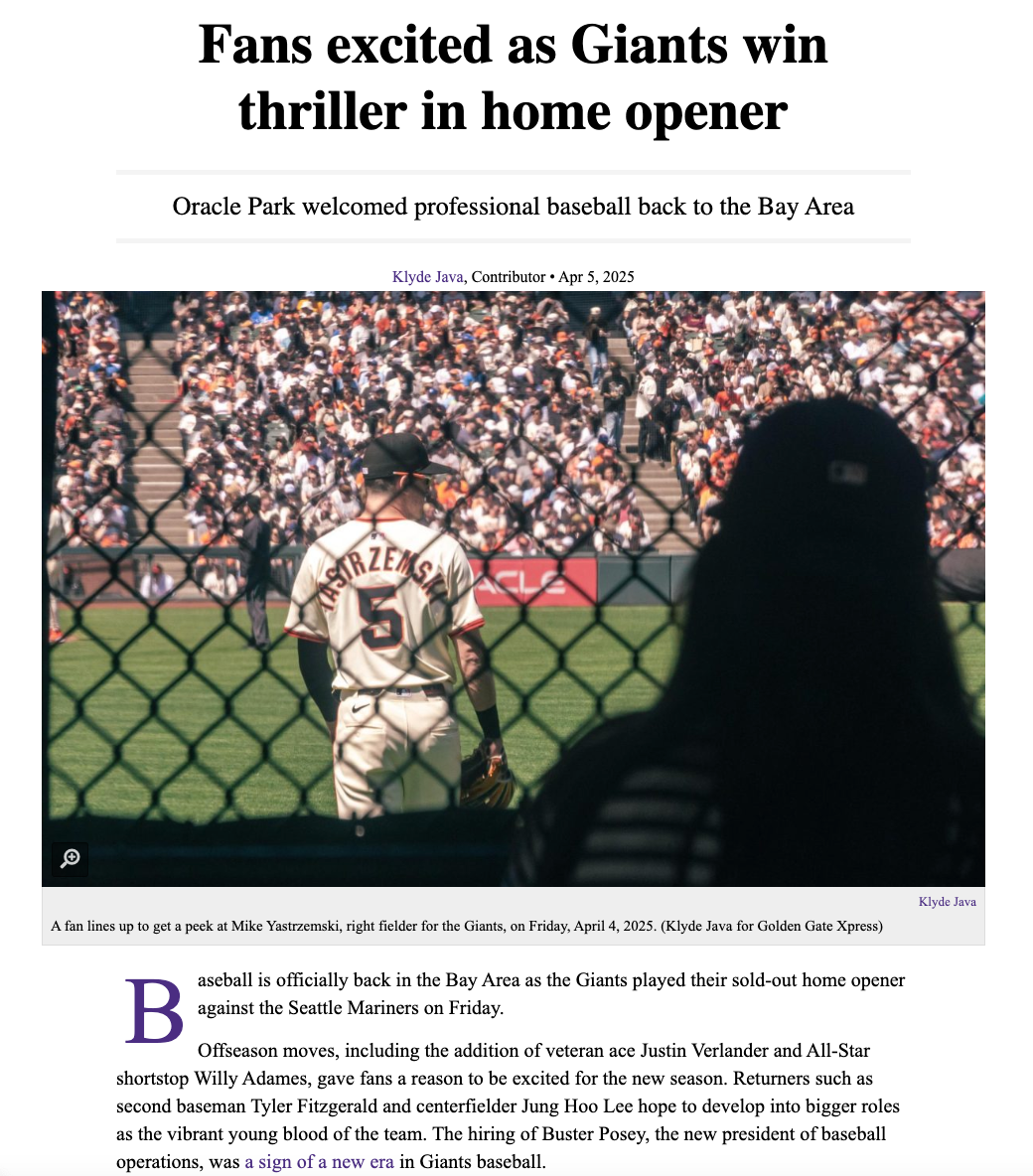
Fans excited as Giants win thriller in home opener
By Klyde Java (for Golden Gate Xpress)
April 5, 2025 (Link in Photo)
April 5, 2025 (Link in Photo)
New Book Reveals Photographic Life of Richmond Artist Barbara Ramos
By Klyde Java (for the Richmond Review/Sunset Beacon)
April 4, 2025 (Link in Photo)
April 4, 2025 (Link in Photo)

Year of the Snake: Lunar New Year Celebrated at the Outer Sunset Farmers Market
By Klyde Java (for the Richmond Review/Sunset Beacon)
March 8, 2025 (Link in Photo)
Legion of Honor Celebrates Reaching the Century Mark
By Klyde Java (for the Richmond Review/Sunset Beacon)
December 7, 2024 (Link in Photo)

Local Filmmaker Premiers ‘Upstage’ at Neighborhood Film Festival
By Klyde Java (for the Richmond Review/Sunset Beacon)
December 6, 2024 (Link in Photo)
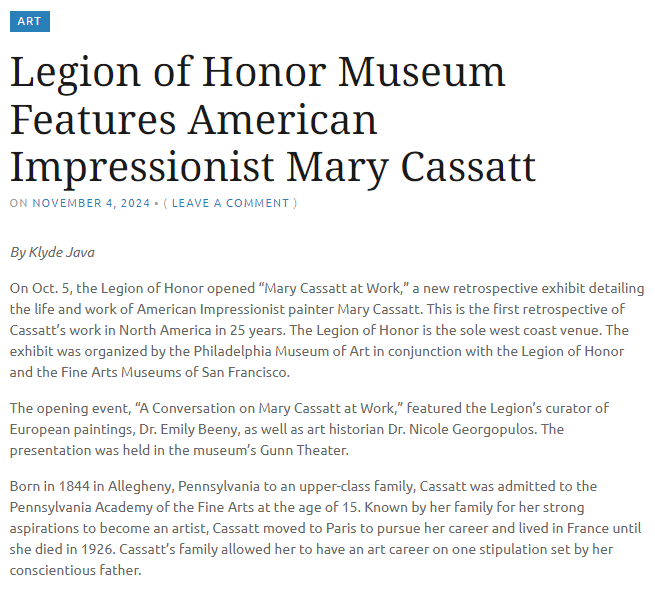
Legion of Honor Museum Features American Impressionist Mary Cassatt
By Klyde Java (for the Richmond Review/Sunset Beacon)
November 4, 2024 (Link in Photo)
Playland at the Beach Amusement Park Created Long-Lasting Memories
By Klyde Java (for the Richmond Review/Sunset Beacon)
October 6, 2024 (Link in Photo)

Tabita’s Cafe’s Romania Daza Still Makes Her Mother’s Handmade Empanadas
By Klyde Java (for the Richmond Review/Sunset Beacon)
September 13, 2024 (Link in Photo)

‘Tiger’s Eye,’ Sunset District’s Newest Beauty Bar, Opens on Judah at 31st
By Klyde Java (for the Richmond Review/Sunset Beacon)
August 10, 2024 (Link in Photo)

Tunnel Records Serves Up Tunes and Community to the West Side
By Klyde Java (for the Richmond Review/Sunset Beacon)
July 3, 2024 (Link in Photo)

L'Innocent and the Function of Drama
By Klyde Java
May 10, 2024
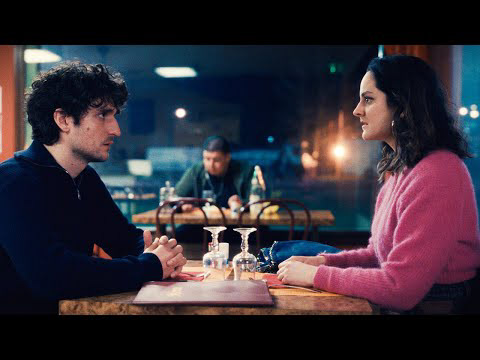
Abel (Louis Garrel) and Clémence (Noémie Merlant) at the restaurant.
L’Innocent (2022) (English: The Innocent) can be summed up as a Frankenstein fusion between a romantic-dramedy and a heist picture. The movie features Abel (played by Garrel himself) and how he gets involved in his mother Sylvie's (Anouk Grinberg) love life with Michel (Roschdy Zem), a former convict. Michel and Sylvie plan to open a flower shop in order to start a life together on property that Michel says a friend gave them as a business favor. Abel becomes suspicious of Michel's intentions, which lead him to start spying on him with his best friend, Clémence (Noémie Merlant). His immature attempts at relationship sabotage frustrate Michel who explains that he must steal a shipment of caviar in exchange for the business favor and invites Abel to join him. Part of this plot involves Abel and Clémence staging a domestic scene in order to distract a trucker. Clémence plays the overly emotional girlfriend and Abel performs the role of the stoic boyfriend with the hopes that Michel has enough time to steal the caviar. This sequence is one of the most poignant of the film and demonstrates a key function of drama: we lie in order to discover the truth.
The fake argument has two components: the lie (what the couple says to each other) and the truth (what they actually mean). The lie is made up of accusatory statements like “You never help me”, “You are never there for me”, or other claims of emotional starvation. The truth is constructed of more subtle things such as intonation, body language, or facial expression. This discrepancy produces a dynamic where Clémence acts on verbal cues while Abel acts more on visual cues. Throughout their exchange, we see many examples of this kind of interaction such as when Clémence begs him to do something, but he continues to stare as if he’s waiting for something. As a result, the truck driver becomes more interested as the viewer of the film does. What is fascinating is that as we become more engrossed in the lie, the couple gets closer to the truth, culminating when Abel and Clémence kiss in the bathroom of the restaurant. The irony here is that they needed to lie to reach that point. They would have never reached that stage in their relationship if they had never role-played as a couple. Their act as a couple primed them to become an actual couple.
This kind of social performance begs the question of whether people do this in the real world and I would argue that this occurs but at a much more subconscious level. A young boy and girl playacting as parents may as well prepare them to be actual parents in the future. The effects of such social role-playing is difficult to diagnose since there’s many factors in play such as class, race, and gender. Despite the complexity, I am confident in saying that observing people in dramatic (or in this case, metadramatic) situations, in films or in the real world, can aid us in understanding how people communicate with each other, even if these observations make us lie.
Delusions as Cognitively Produced Beliefs
By Klyde Java
May 8, 2024
Introduction:
Delusions are a common symptom of psychotic mental disorders such as schizophrenia and schizoaffective disorder. The DSM-5 defines a delusion as “a false belief based on incorrect inference about external reality that is firmly held despite what almost everyone else believes and despite what constitutes incontrovertible and obvious proof or evidence to the contrary” (Bortolotti & Miyazono, 2015). Despite the clinical definition given by the DSM-5, there are many unanswered questions concerning the nature of delusions and whether they can be considered beliefs. One school of thought, Doxasticism, states that delusions are beliefs, but there are different views on their rationality and if they are continuous with other non-delusional beliefs. On the other hand, anti-doxasticists argue that delusions are not beliefs. Instead, an anti-doxasticist might categorise a delusion as another type of mental state or a result of perception. Whether delusions are a cognitive or perceptual problem affects how one determines if delusions can be considered beliefs. If delusions are a product of cognition, then they are doxastic because they can be regarded as impairments in belief formation processes (Bell et al., 2006). On the other hand, if delusions are perceptual, then they cannot be considered doxastic because they would function more like an hallucination than a false belief (Hohwy & Rajan, 2011). In this essay, I will argue that delusions are doxastic for three reasons: they are distorted conceptual schema produced by cognitive processes, they can be subject to double bookkeeping, and they are anatomically distinct from perceptual mechanisms.
Why Delusions are Beliefs:
When I say that delusions are distorted conceptual schema, I mean that they require alterations of concepts and not alterations of stimuli. A key characteristic of delusions is that they exist entirely in the abstract. One example of this schematic distortion is the Capgras syndrome. This delusion occurs when one mistakes that a loved one (i.e. parent, sibling, or child) has been replaced by a duplicate. In this case, the normative concept that a family member brings comfort and familiarity has been transformed into something foreign and strange. It is important to note that nothing has changed physically about this loved one, but the ideas and schemes surrounding them have been dramatically modified. Inversely, if delusions were perceptual in nature, then there must be an observable physical change to justify the feeling of uneasiness. This concept-stimulus distinction separates delusion from hallucination. Furthermore, the deformation of familial schema in the Capgras syndrome often collides with other delusional themes. In one case study, a 24 year old man reported that he believed his mother was replaced by government employees meant to extract confessions from his time in the military (Chhaya, 2017). The man also reported feeling guilty about certain things he had done in the military. The interplay of persecutory and Capgras delusions as well as the man’s own self-guilt creates a level of complexity that can only be observed in abstractions and concepts.
Any discussion about beliefs and delusions should mention the phenomenon of double bookkeeping which is another trait that distinguishes delusions as a cognitive product. Double bookkeeping occurs when one contradicts their delusions either by neglecting to act upon them or by holding dissonant beliefs (Bortolotti & Miyazono, 2015). An example might include a hospitalised man who believes that the nurses are trying to poison him, yet he still consumes the food that they give him. Whether this is caused by a lack of genuine belief in one’s delusion or the irrationality in a belief system, one thing can be certain: the fact that delusions can be contradicted should indicate that they are beliefs as double bookkeeping would be impossible in a perceptual context. Take the Müller-Lyer illusion for example.
Any discussion about beliefs and delusions should mention the phenomenon of double bookkeeping which is another trait that distinguishes delusions as a cognitive product. Double bookkeeping occurs when one contradicts their delusions either by neglecting to act upon them or by holding dissonant beliefs (Bortolotti & Miyazono, 2015). An example might include a hospitalised man who believes that the nurses are trying to poison him, yet he still consumes the food that they give him. Whether this is caused by a lack of genuine belief in one’s delusion or the irrationality in a belief system, one thing can be certain: the fact that delusions can be contradicted should indicate that they are beliefs as double bookkeeping would be impossible in a perceptual context. Take the Müller-Lyer illusion for example.


In the first picture, the lines appear to be different as one appears to be longer than the other. But the second picture confirms that the lines are actually the same size. Although I am aware that the lines are the same length, there is no way for me to perceive them as such. My eyes will insist that the lines are different sizes despite evidence to the contrary. Although beliefs can also have this kind of resistance to evidence, it is less strict than perceptual phenomena. This flexibility causes beliefs to be incongruent, leading to double bookkeeping.
In addition to their conceptual nature, delusion formation is anatomically distinct from perceptual mechanisms. The main areas associated with belief and delusion formation include the dorsal medial frontal cortex, anterior cingulate cortex, and pre-supplementary motor area. These regions work to create and maintain executive functions such as attention, memory, and fluid intelligence (Chaudhury & Kiran, 2009). Since belief formation is specialised in these areas of the brain, it can be argued that beliefs and delusions act to orient action (whether this is actually true is up for debate). This assumption plays out when one considers the neurobiological hypotheses for why delusions exist. Theories like the Septo-hippocampal dysfunction model and the Semantic memory dysfunction model point to impairments in higher-level functions such as memory to account for the formation of delusions (Chaudhury & Kiran, 2009). If delusions were a perceptual problem, then the pathology would be somewhere else in the brain and the phenomenological manifestation would be different; it would resemble a hallucination rather than a conscious thought.
In addition to their conceptual nature, delusion formation is anatomically distinct from perceptual mechanisms. The main areas associated with belief and delusion formation include the dorsal medial frontal cortex, anterior cingulate cortex, and pre-supplementary motor area. These regions work to create and maintain executive functions such as attention, memory, and fluid intelligence (Chaudhury & Kiran, 2009). Since belief formation is specialised in these areas of the brain, it can be argued that beliefs and delusions act to orient action (whether this is actually true is up for debate). This assumption plays out when one considers the neurobiological hypotheses for why delusions exist. Theories like the Septo-hippocampal dysfunction model and the Semantic memory dysfunction model point to impairments in higher-level functions such as memory to account for the formation of delusions (Chaudhury & Kiran, 2009). If delusions were a perceptual problem, then the pathology would be somewhere else in the brain and the phenomenological manifestation would be different; it would resemble a hallucination rather than a conscious thought.
Perception Equates Cognition?:
Although I have been discussing delusions as being either a result of cognition or perception, one can make the argument that the two processes are not distinct from each other. In other words, perceiving is believing and vice versa. In many psychotic and schizoaffective disorders, clinicians encounter an issue in whether to attribute the symptoms to a loss in stimulus discrimination or an impairment in belief formation. New studies in cognitive neuroscience have identified that both issues can be traced back to the same cause, namely a dysfunction of prediction errors in the dopaminergic system (Fletcher & Frith, 2008). The role of prediction errors is to measure our expectations against reality and dopamine ensures that we feel rewarded when the two are the same. A failure of prediction errors can lead one to draw increasingly absurd inferences about reality which manifest into hallucinations and delusions. This theory would account for the wild content seen in the thoughts and behaviours of schizophrenics and does seem like a reasonable unitary account for hallucinations and delusions.
However, it is not clear how some prediction errors become delusions and how some become hallucinations. How exactly does the brain filter which errors fall under which category? At this stage, this unitary model is very general. Also, two things are not the same merely because they have the same cause. A cognition is not a perception just because they happen to be caused by the same mechanism. Though cognitive and perceptual processes show many similarities, there is a point in which they become separate. This distinction is the reason why they produce different neurological phenomena.
However, it is not clear how some prediction errors become delusions and how some become hallucinations. How exactly does the brain filter which errors fall under which category? At this stage, this unitary model is very general. Also, two things are not the same merely because they have the same cause. A cognition is not a perception just because they happen to be caused by the same mechanism. Though cognitive and perceptual processes show many similarities, there is a point in which they become separate. This distinction is the reason why they produce different neurological phenomena.
Conclusion:
So, are delusions beliefs? Yes. Although one can argue that delusions are the results of perceptual mechanisms, there is more evidence indicating that delusions have more in common with cognitive processes. This similarity has led me to conclude that delusions are a product of cognition thereby qualifying them as a belief. Nonetheless, more work needs to be done in philosophy and neuroscience to prove this point further, but the idea that delusions are cognitively produced beliefs should be the leading assumption in future research.
Can We Talk About Wrapping Production?
By Klyde Java
May 22, 2023
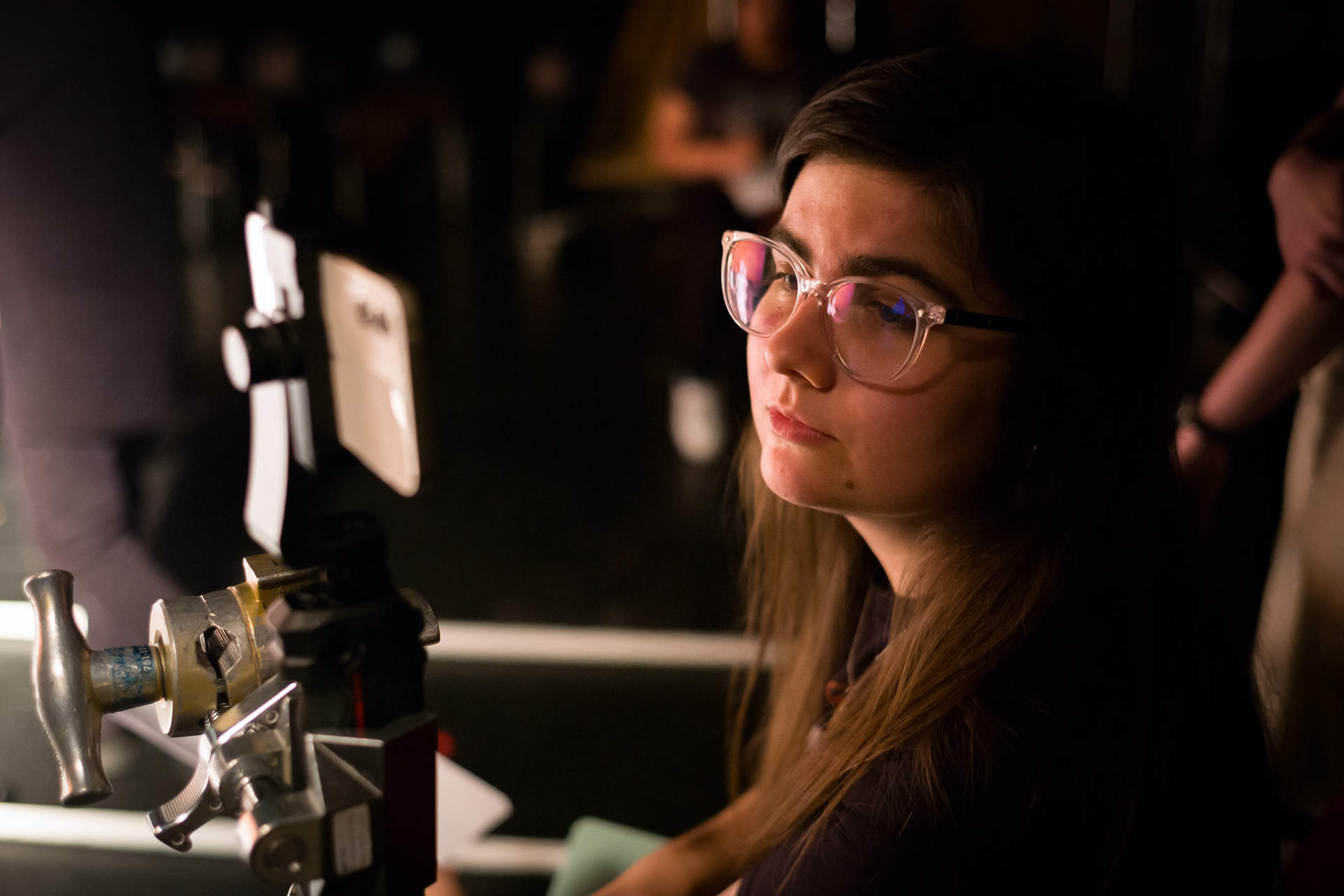
Amy Richards, writer and director of Can We Talk? Photo by Gabriel Studer-Randall.
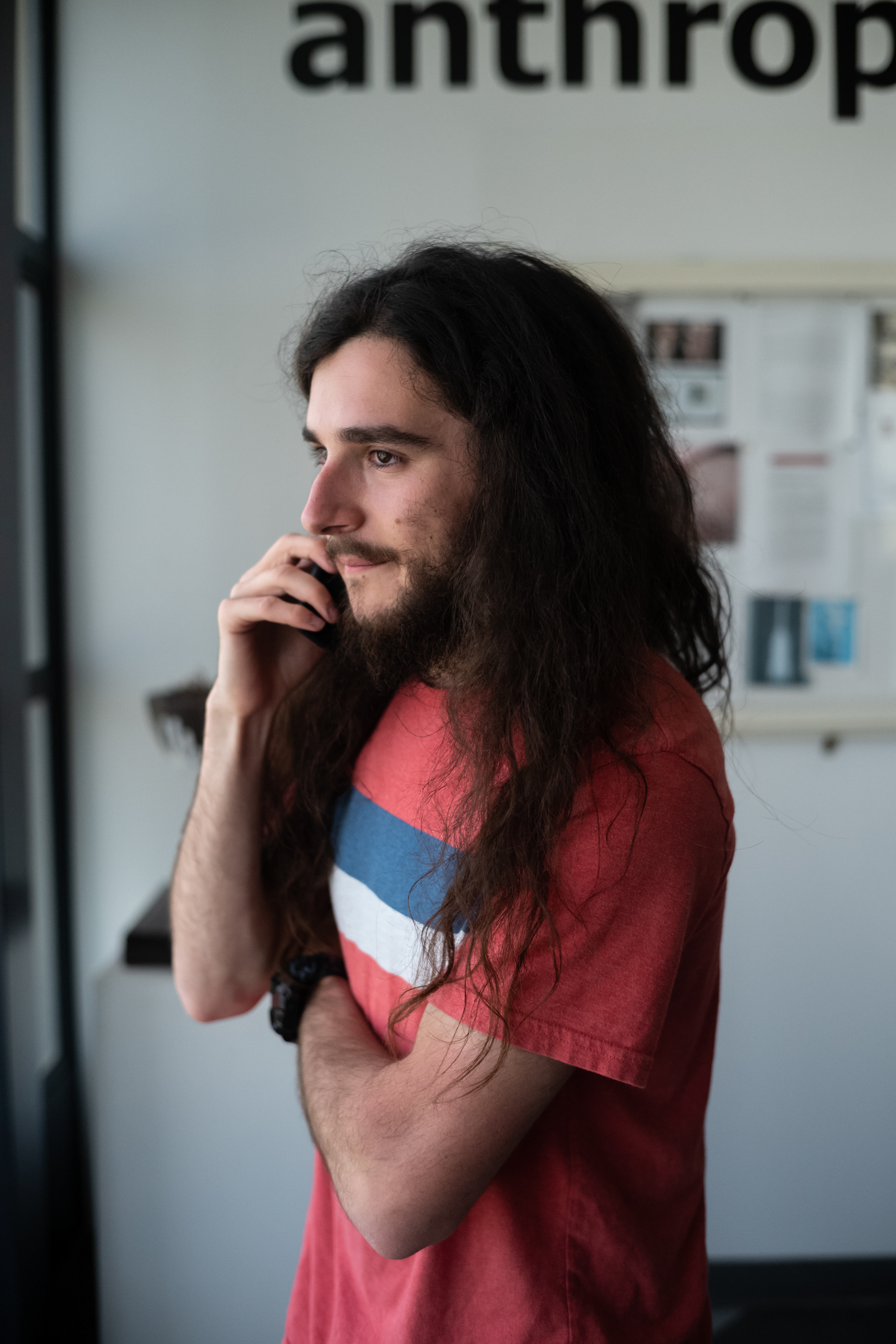
Ethan Chargin, co-producer of Can We Talk? Photo by Gabriel Studer-Randall.

Thembi Nkosi, co-producer of Can We Talk? Photo by Gabriel Studer-Randall.
When a film wraps production, there is still much work to be done before it can be called a finished product. Months of preproduction and shooting only prepare a filmmaker for the editing process. SF State Cinema and Studio Art senior - Amy Richards - is another director undergoing this process.
Richards, 21, recently wrapped principal photography of her thesis film, Can We Talk? She wrote and directed the project while fellow classmates Ethan Chargin and Thembi Nkosi served as her co-producers.
Can We Talk? is a coming-of-age drama about Jade (Ariana Jimenez), a college student struggling to open up to her emotionally unavailable friends. She tries to have deep conversations with her friends, but they brush it off. As a result, Jade’s isolation builds up and reaches a breaking point.
The film’s themes cover growing up as a young adult and the emotional instability that can come along with it. “Especially at this age, we’re all learning how to be human and deal with our emotions,” she says. “We’re experiencing new things as young adults and are not sure how to handle them yet.”
Preproduction for Can We Talk? started in the summer of 2022. It stopped for a semester because Richards took part in the Disney College Program, then it restarted again in February of 2023.
Throughout the process, Richards learned the value of patience as the preproduction stage is always filled with uncertainty. Until Richards stepped on set, everything - from filming dates to cast and crew availability - remained undecided.
When she came back to her story in February of 2023, Richards rewrote everything because the original story was too complex to be told in an eight-minute short film. So Richards changed it and stuck to what she knew best - living with the stress of being a young adult. SF State Cinema professor Scott Boswell aided as an advisor for the project.
Initially, Ethan Chargin was the sole producer on the project and was involved early on in the film’s development. After much deliberation, he decided that he needed a co-producer to help him.
“Once we got a little bit deeper and closer into putting [the] crew together and doing the logistical stuff, that’s when we brought Thembi [Nkosi] on,” Richards recalls.
Nkosi was excited to be a producer for Can We Talk? because of their close relationship with Richards and their desire to improve at producing movies. “I honestly just wanted to help out a friend but also I had wanted to try a hand at producing,” Nkosi said.
Preproduction lasted a month from early April to the first week of May. This tight schedule helped move the preproduction process along.
“We had to move really fast in preproduction because I was working on somewhat of a timeline for this class I was taking so we couldn’t just keep pushing it off,” she said. “But then as we got closer and things were starting to come into fruition, I just realized that things just happen last-minute.”
Richards discovered that she didn’t need to worry if the pieces didn’t fall into place immediately because “everything is going to end up working out.”
Nkosi expressed similar sentiments with the film’s preproduction, citing that “things will feel up in the air because we’re students.”
Once preproduction was completed, principal photography took place on the first two weekends of May, from May 6 to 7 and May 13 to 14.
The film was mainly shot on the SF State soundstage and various locations around campus such as the Fine Arts and Creative Arts buildings. One production day included shooting at the Royal Ground Coffee shop off Geary Boulevard.
For Richards, one goal going into production was ensuring that everyone felt positive about the work they were doing.
“Speaking generally, my goals going into production are always to make sure that everyone who’s there and on the project feels good about what is done during filming and can leave set feeling accomplished and confident,” she said.
Shooting Can We Talk? was also a test for Richards. She says she felt self-conscious about her abilities since she had taken a year-long break from directing.
“One thing that I was thinking about going into it is [that] I haven’t directed and I haven’t been on set in a year so I was feeling a little self-conscious about that,” she said. “ I was very aware that it had been awhile.”
But once she arrived on set, any doubt about her directing skills went away.
“I was talking to one of the crew members while we were waiting for the soundstage to be open,” she said. “I was like ‘Strangely, I am zero percent nervous right now.”
Nkosi shared similar feelings, being that it was their first time producing. Nkosi was confident that they performed the job well since she also has leadership experience as president of the Delta Kappa Alpha film society on campus.
Overall, the filming process went relatively smoothly, the team said, and despite the usual hiccups of running late, Can We Talk? wrapped with minimal issues.
“I felt like there was more insecurity during preproduction [...] Once we were on set, we were fine because everything was there and ready,” Richards said.
Still, there is much work to do for Can We Talk? Dailies have to be watched and a day for reshoots has to be scheduled. Richards is aware that films tend to get stuck in the editing phase, but she has mapped out a schedule to keep her and the project on track.
“Things can often get lost in postproduction, especially when there's not a deadline,” she said. “Once the semester ends and I graduate, then it’s like I have to make sure that I’m sticking to a schedule as the editor, but then also as the director, making sure that the project gets done.”
Richards is slated to edit the film herself, hoping to complete the film by the end of summer 2023 with a festival run starting by the end of the year.
Richards’ main goal is ensuring that the film’s postproduction maintains momentum. She is determined to stick with the process and bring the film to the public.
“If a project wants to be made,” she said, “it will be made.”
A Thesis Film is a Diamond in the Rough
By Klyde Java
May 16, 2023

The main title card of Nick Stinson's thesis film, Diamonds and Marigolds. Courtesy of Nick Stinson.
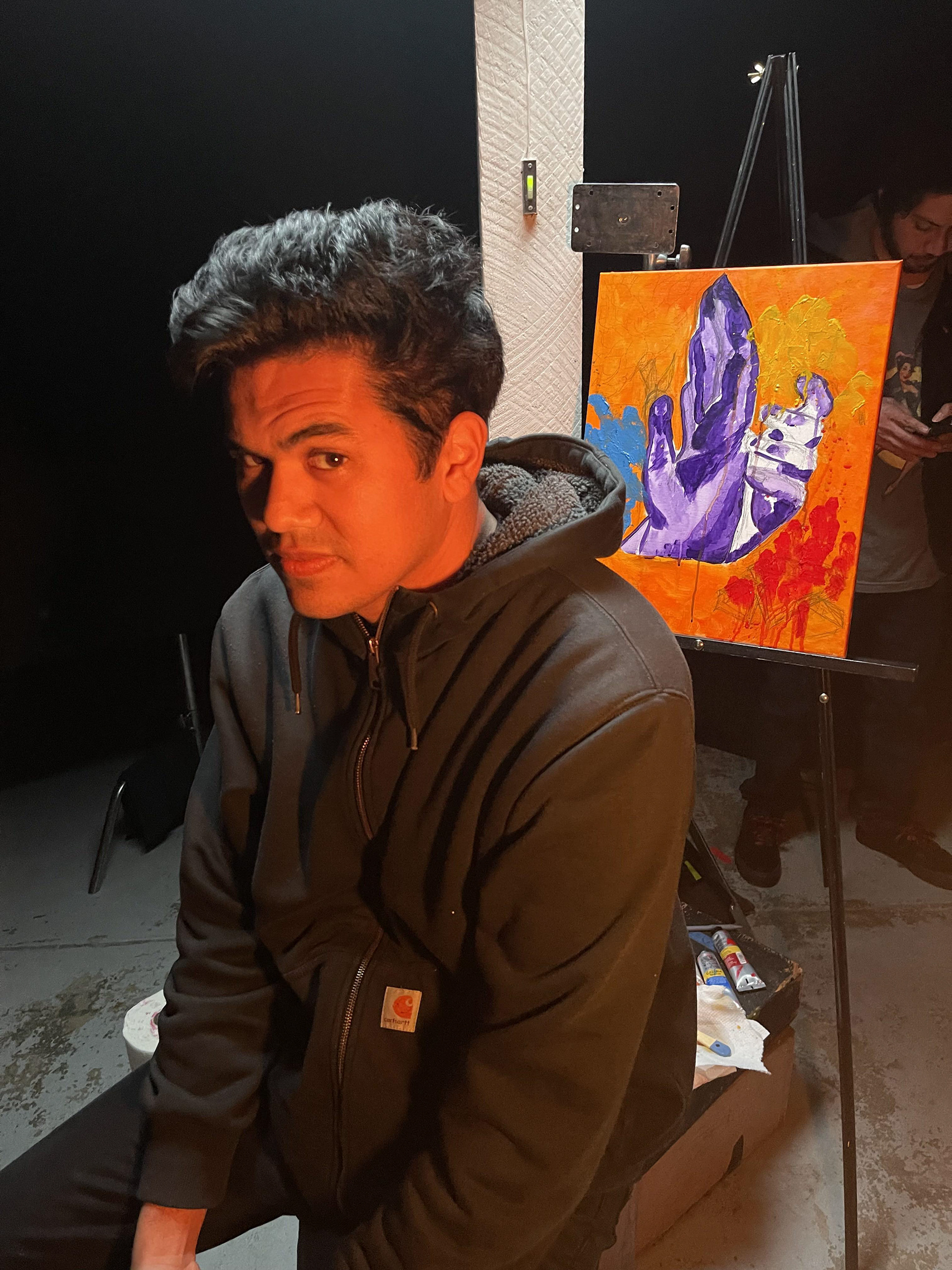
The writer and director of Diamonds and Marigolds, Nick Stinson. Courtesy of Nick Stinson.
Film is like a team-sport as a large group of people need to work together to produce something great under high-stake situations. The volatile nature of film production ranges from depressing hardship to good fortune. This was the case for SF State Cinema major, Nick Stinson.
Nick Stinson, a 28-year-old Cinema student who is graduating this May, worked with a committed team to produce his senior thesis film, Diamonds and Marigolds.
Diamonds and Marigolds is a coming-of-age drama featuring Alfonso (Jon Demegillo), a young artist, who is faced with the dilemma of finishing a painting for an art exhibition before he and his parents move to another city.
Stinson’s team included a plethora of SF State students and alumni including production designer Emily Murphy, editor Sophia Roger, composer Arman Sedgwick-Billimoria, producers Marcus Gomez and Sergio Ruiz, production coordinator Sabrina Mota, first assistant director Evan Fields, and location scout Joseph Ara.
In addition to fellow students, a number of faculty members supported Stinson such as teacher’s assistants Joshua Park and Daniel F. Moreno as well as Scott Boswell and Pablo Riquelme, professors in the SF State Cinema department.
One crew member that stood out on set was cinematographer Gabriel Studer-Randall. Stinson praised his ability to work quickly, stating “That guy, with a very quick turnaround, knew what to do with the camera”.
Gaffer Marc Lanahan was also applauded for understanding Stinson’s vision. “He [Marc] knew what I was talking about in terms of vision and the references I gave to him,” Stinson says.
When it came to the pre-production of Diamonds and Marigolds, Stinson described it as “every scenario was a worst-case scenario”.
Stinson started writing the screenplay in the summer of 2022 as a different story with the same themes. Disagreements with a fellow co-writer forced him to change the story entirely.
The rewriting phase was challenging as all aspects of the script had to be rebuilt from the ground up. “I need to really think, ‘Can I still tell the story in terms of the themes’, but it required a lot of rehashing and revising the characters and the logistics,” Stinson says.
The process of revision took a few months with the shooting script being finished two weeks before filming started.
Problems with the script were only the beginning of Stinson’s issues. The former director of photography dropped out a week before the shoot, leaving little time for a proper blocking rehearsal. Stinson was also unable to find a gaffer until a week before the shoot.
But once the cameras started rolling, every scenario became a best-case scenario. The production costs were well under budget at $3000 out of the original mark of $5000. Stinson credits the cast and crew’s commitment to the success of the production.
“Because of the commitment of the crew and the people that stuck around as part of this project, we were still down regardless,” he says.
The film was mainly shot in Daly City and South San Francisco with some sequences filmed at Dolores Park in San Francisco. Principal photography lasted one weekend from December 2nd to December 4th.
Stinson’s experiences moving across the country laid the foundation for the story. Born in Berkeley, he moved back and forth between California and Maryland, splitting time between his Filipino mother and his Italian father.
In addition to the anxieties of constant moving, Stinson’s film also shows the anxieties of being an artist. Stinson described his father being adamant about having a normal nine to five job in the tech industry but Stinson stayed with the arts.
“As much as I love technology and STEM, I’m a creative. I’m someone who loves fine arts,” he states.
With Diamonds and Marigolds picture locked in early May, Stinson hopes to shop the film around festivals later this year.
Despite the setbacks, Stinson remains thankful about his thesis film.
“I’m glad where I am now as a filmmaker [...] but I’m still learning,” he says.
A First-Time Director Stays Ready
An Introduction to the Monthlies of DKA Epsilon: February
by Klyde Java
March 7, 2023
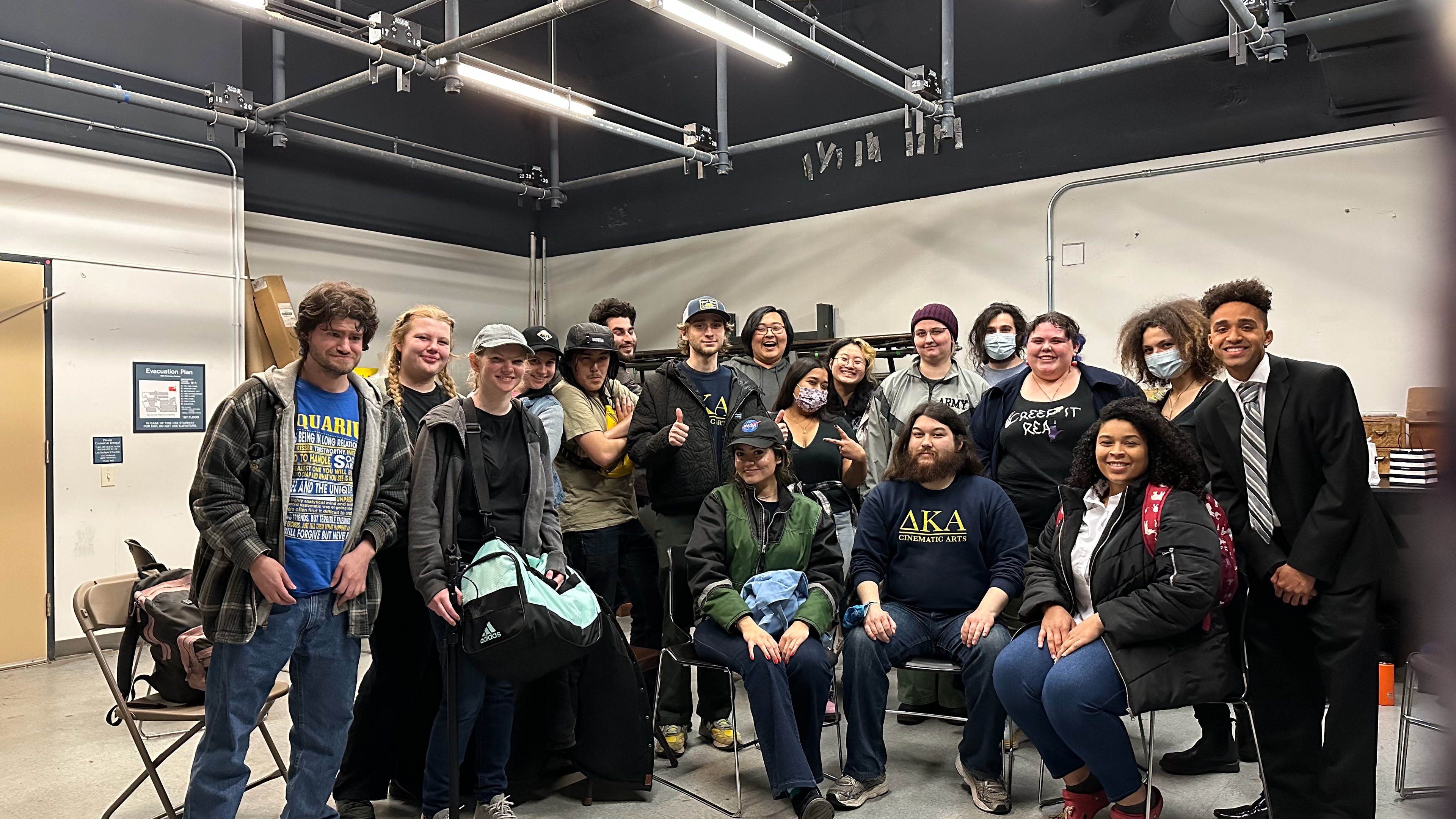
The cast and crew of Being Ready is OK. Photo by SFSU DKA.
Delta Kappa Alpha is a national, gender-inclusive, professional cinematic society committed to the development and cultivation of cinematic talents. Every month, the Epsilon chapter of Delta Kappa Alpha seeks to develop these cinematic talents by producing a short film from conception to final cut. Members of the chapter call these small-scale film projects, Monthlies. The purpose of a Monthly is to expose otherwise inexperienced filmmakers to new roles. If you’ve never tried being a script supervisor, then Monthlies are seen as the perfect place to exercise that muscle. But before the crew can be assembled and shooting dates can be confirmed, a script must be selected. Production Chair, Nico Abe, opens the window for submissions a week before the new month starts. In the past, members have submitted stories ranging from sci-fi horror films to absurdist comedies. After sifting through numerous submissions, Abe announces the winning script and an ISO, or in-search-of, list is published. Roles from director of photography to gaffer are open to all members of the chapter and members that have limited set experience are encouraged to sign up. Typically, the writer of the winning screenplay is asked if they would like to direct and this month’s edition features a first-time writer-director.
Yesi Munoz, a junior at San Francisco State University, directed her screenplay entitled Being Ready is OK. Being Ready is OK features a college student named Emerson Hart and her interrogation after she murders an intruder in her apartment. The story was inspired by a group of friends Yesi knew in high school that were obsessed with murder mystery documentaries. It became a running joke in her friend group about how addicted they were to the genre. Yesi wrote the screenplay in two weeks from outline to final draft. For outlining, Yesi keeps a journal filled with story ideas and plotlines to organize her thoughts.
Before shooting, Yesi was initially anxious. But as soon as the cameras were rolling, any doubts about her directing ability vanished. Yesi believed that the pre-shoot anxiety was helpful because it forced her to prepare diligently. Directing actors was also a new experience for Yesi. She discovered that actors were more independent than she initially thought and acknowledged that actors can have their own idea of a character, but sometimes it conflicts with the overall vision. She recalled having to correct one of the actors in how they perceived a character but this collaboration process is ultimately an encouraging one. “Even if they don’t give the performance [you want], you want to be encouraging and I learned that,” Yesi said.
There were some unique production challenges on the set of Being Ready is OK. For example, a prop could not be brought onto set because the campus has a policy against bringing swords into campus. This sword dilemma forced the lead actress to drop out as they could no longer film the entire movie on campus. Eventually, a replacement was found but there was another problem: there was a new crew on set and they were all unfamiliar with each other’s working styles. Yesi made an effort to introduce herself to as many people as possible, but even she didn’t get to know everyone. Despite the hiccups in casting and unaccustomed crew members, the film was finished in a timely manner.
After directing this Monthly for DKA, Yesi states that she would like to direct two more short films this semester and plans to do summer internships in Los Angeles. Although she is only a junior, she intends to make her senior thesis film on a larger scale with a higher budget and more complex story. Generally, Yesi likes to make horror and thriller films but ironically enjoys happier television shows like The Nanny (1993-1999). When asked about the main takeaway from this production, Yesi states that she learned that people will help her and that she doesn’t have to do everything by herself.